

By Cara Cowan Watts | Cherokee 411
1954 – 2026
Choctaw Nation citizen
A Champion for Indian Country: Remembering Susan
Davis Feller, Founder of ATALM
The leader who built a national home for tribal archives, libraries, and museums has
passed. Her legacy endures in every Native community she served.
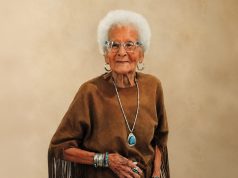
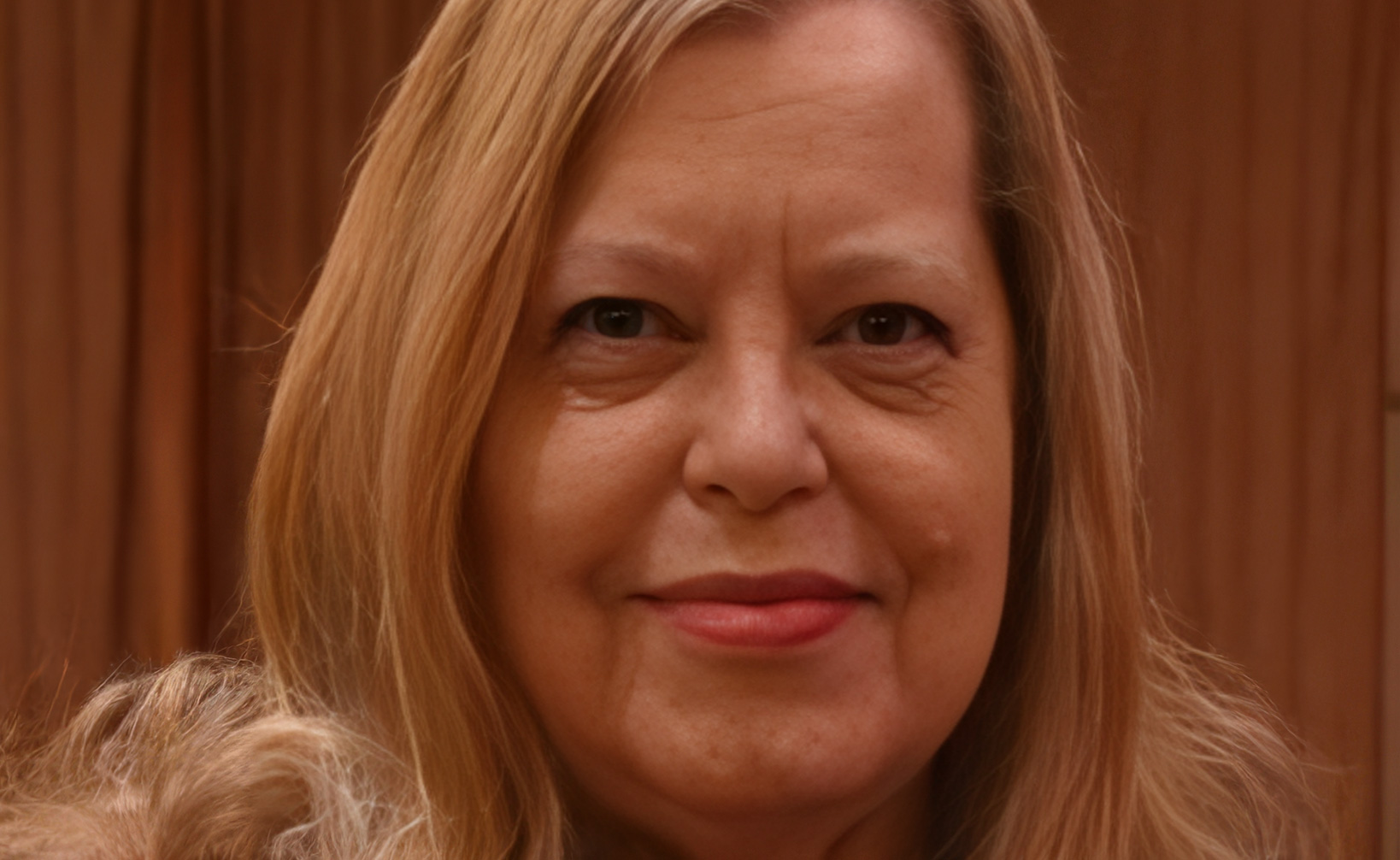
Susan Davis Feller, a citizen of the Choctaw Nation of Oklahoma and the founding President and CEO of the Association of Tribal Archives, Libraries and Museums (ATALM), passed away peacefully in the early morning hours of June 18, 2026, less than two weeks after being diagnosed with metastatic cancer. She was born in 1954 and was a
graduate of Fort Towson High School and a lifelong daughter of southeastern Oklahoma. She was 71.
For Indian Country, Susan Feller’s death leaves a profound absence. For more than two decades, she quietly and relentlessly built the infrastructure that allows tribal nations across the United States to preserve their languages, protect their archives, reclaim their artifacts, and sustain their cultures for future generations. She did it not through headlines, but through hard work, relationships, and an unshakeable belief that Indigenous communities deserved institutions of their own.
A Life Fully Lived
Before founding ATALM, Susan had already lived a life of broad service and purpose. She served as Executive Director of the Inland Empire Symphony in Redlands, California, and as Development Officer of the Oklahoma Department of Libraries. She was an avid reader, knowledgeable on a remarkable breadth of subjects, and, by all accounts from her family, one of those people who made every gathering better simply by arriving — often with a car full of food, flowers, and her dogs.
Her family remembers her as a woman of strength, determination, and an independent nature whose life was organized around those words: “When will Aunt Susie get here?” She is survived by her sister and brother-in-law, Dian and Gary Johnson; nephew Brian Johnson and wife Julie; niece Lacrecia Johnson and husband Brian Gibbons; great- nieces and great-nephews Dalton Smith, Austin Johnson, Cheyenne Johnson, Cierra Johnson, and Grayson Gibbons; as well as numerous extended family members, treasured friends, and her dogs Rocky and Maya.
She asked for no funeral and no embalming. Her instructions to those who wished to honor her were characteristically direct: “Have a party.”
Building a Home for Tribal Culture
Susan founded ATALM to address a gap she recognized clearly: tribal archives, libraries, and museums existed across Indian Country with no national organization of their own, no shared professional development infrastructure, and limited access to federal and philanthropic resources. She set about building all of it.
Under her leadership, ATALM grew into a national force. She directed programs funded by the Mellon Foundation, the Ford Foundation, the Doris Duke Foundation, the Institute of Museum and Library Services (IMLS), and the National Endowment for the Humanities, among others. The breadth and ambition of those projects reflects the breadth and ambition of her vision.
Among the most consequential was the Going Home Project, a Mellon Foundation – funded effort to help Native communities implement the return of items not covered under the Native American Graves Protection and Repatriation Act (NAGPRA) — filling a gap in the law that has left countless sacred objects and cultural materials in non-tribal hands. She also directed the Archive of Recorded Native American History, a Doris Duke Foundation initiative to digitally repatriate audio recordings held by non-tribal institutions, and the Native Arts & Cultures Project, a Ford Foundation effort to strengthen local support for Native artists and culture bearers.
Her $4.3 million Sustaining Humanities in Native Communities Grant Program, run in partnership with the National Endowment for the Humanities, channeled millions of dollars directly to tribal communities. The Culture Builds Communities Project and the Improving Broadband Access and Digital Inclusion in Native Communities Project addressed infrastructure — the physical buildings and digital access that make cultural preservation possible at all.
She also worked with the White House International Repatriation Council to build bridges between U.S.-based tribes and international collecting institutions, and she recently completed Sustaining and Advancing Indigenous Cultures, a three-year study of the needs of tribal cultural institutions, and was working with a national advisory group on its implementation when she died.
The International Conference of Indigenous Archives, Libraries, and Museums, which ATALM hosts annually, draws more than 1,500 attendees. It stands as one of the most significant gatherings in Indian Country dedicated to cultural sovereignty.
Quiet Work With Lasting Consequences
Susan Feller served on numerous national committees and commissions and advised government agencies and members of Congress on matters relating to Indigenous cultural institutions. She did this work without seeking recognition. Her family noted that she was “not one to seek recognition” — yet she shaped federal policy, directed millions of dollars toward Indian Country, and created the organizational architecture that will outlast her.
For Cherokee Nation citizens and communities across the Three Cherokee Tribes — Cherokee Nation, the United Keetoowah Band of Cherokee Indians, and the Eastern Band of Cherokee Indians — ATALM has been a vehicle for language preservation, archive development, and cultural reclamation. The work Susan Feller built is the work that keeps living cultures alive.
She fought for the books that educate. She fought for the archives that remember. She fought for the art that speaks when words cannot. She fought, quietly and without fanfare, for all of Indian Country.
Miller and Miller Funeral Home – Hugo is handling arrangements. The family asks that those wishing to honor Susan’s memory do something they enjoy while remembering her.
ATALM can be reached at [email protected].
— Cara Cowan Watts, Cherokee411.com